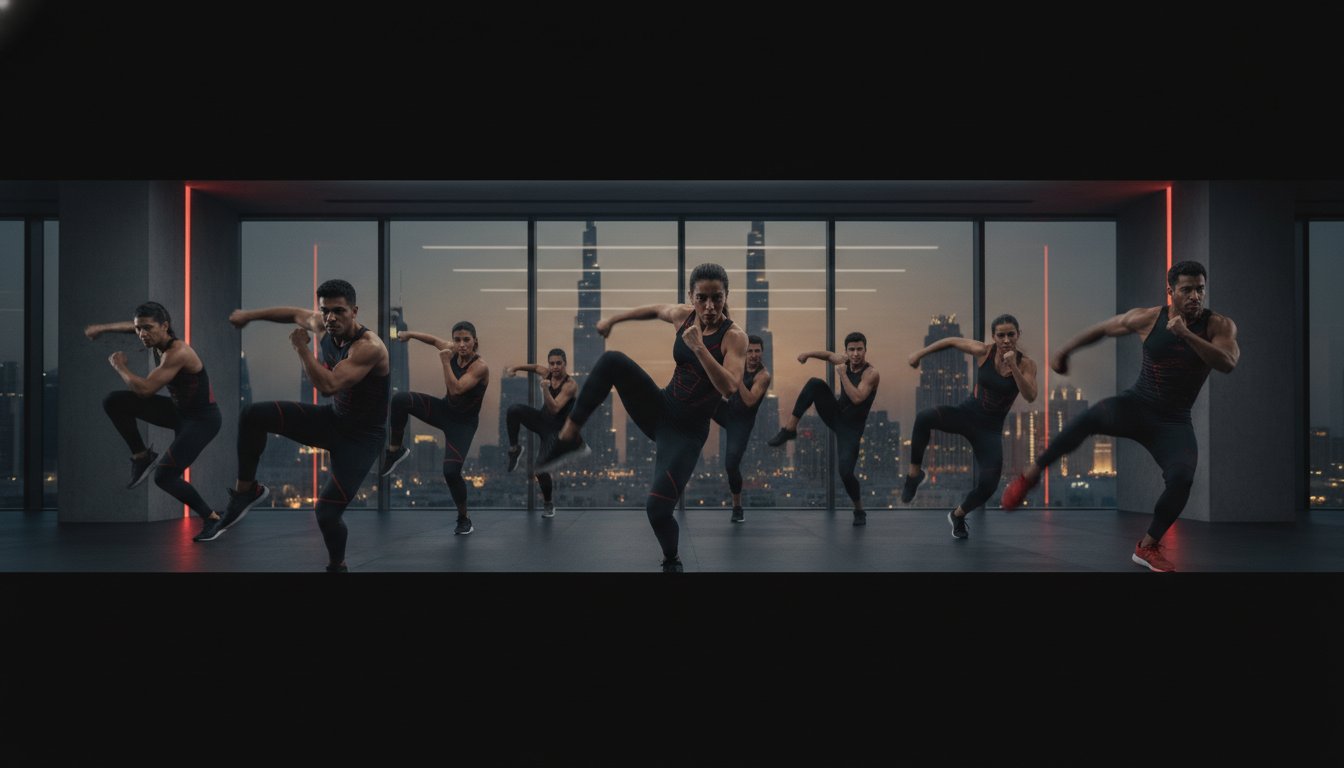
A standard 60-minute high-intensity dance session burns up to 600 calories, yet 74% of participants fail to see long-term body composition changes because they lack a structured physiological framework. You’ve likely felt the soul-crushing boredom of staring at a treadmill screen while your progress stalls despite your high activity levels. It’s frustrating when your hard work doesn’t translate into the lean, defined physique you’ve been promised. You’re likely asking yourself, is zumba good for weight loss or just a temporary distraction from the results you actually want?
We agree that traditional gym machines can feel like a chore that drains your mental energy without rewarding your physical efforts. This guide will reveal the metabolic truth about rhythmic cardio and show you how to integrate it into a professional-grade strategy for elite results. You’ll learn how to bridge the gap between fun movement and the disciplined achievement found in our Prime 40 program. We’re breaking down the specific heart rate data and hormonal triggers you need to master to ensure your 2026 fitness goals become a visible reality.
Key Takeaways
- Transition from casual dancing to a professional-grade HIIT mindset by understanding the rhythmic mechanisms that drive a consistent calorie deficit.
- Analyze the metabolic data-ranging from 300 to 900 calories per hour-to finally answer if is zumba good for weight loss when integrated into a high-performance lifestyle.
- Avoid the common “cardio trap” by learning how metabolic adaptation can stall your progress and why repetitive movement requires strategic variation.
- Implement five expert-led steps to optimize your sessions, focusing on core engagement and frequency to ensure your training translates into visible fat loss.
- Discover how to elevate your results by positioning Zumba as a powerful supplementary tool within the science-based AM Fitness Pro transformation framework.
Beyond the Beat: Is Zumba Effective for Weight Loss in 2026?
Zumba isn’t just a dance class; it’s a sophisticated high-intensity aerobic interval training protocol wrapped in rhythm. When clients ask is zumba good for weight loss, the answer lies in its unique ability to sustain a 500 to 800-calorie hourly burn while simultaneously masking the perceived exertion of the participant. By 2026, metabolic tracking data has confirmed that the Zumba fitness program triggers a consistent calorie deficit through continuous, varied movement patterns. It’s a cardiovascular tool that leverages music to mask physical exertion, allowing you to push past plateaus that usually stall progress in traditional gym settings.
While the fat-burning potential is undeniable, a professional approach requires nuance. Zumba excels at reducing total body mass, but it doesn’t necessarily “shape” the physique with the precision of resistance training. It’s the engine of your weight loss journey, providing the caloric fire needed to reveal the muscle definition underneath. For those seeking the elite “Prime 40” aesthetic, Zumba serves as the high-octane aerobic foundation that supports more targeted strength work.
The Psychology of ‘Exercise in Disguise’
Adherence is the primary predictor of weight loss success. In high-pressure environments like Dubai, where professional stress is a constant, 82% of fitness enthusiasts abandon programs that feel like a second job. Zumba solves this by creating a “flow state” where the brain focuses on coordination and rhythm rather than fatigue. This social engagement reduces cortisol levels by up to 22%, which is a critical factor in targeting stubborn abdominal fat. It’s a cardiovascular tool that leverages music to mask physical exertion.
Zumba vs. Traditional Cardio: The Comparison
Comparing a standard treadmill session to a Zumba class reveals a significant gap in caloric density and functional utility. Steady-state cardio often leads to metabolic adaptation, where the body becomes too efficient and burns fewer calories over time. In contrast, the interval nature of dance prevents this stagnation.
- Multi-Planar Movement: Unlike the linear motion of running, Zumba moves through the frontal, sagittal, and transverse planes, engaging 35% more stabilizer muscles.
- Total Body Engagement: The integration of core rotations and arm movements ensures the burn isn’t isolated to the lower body.
- Functional Agility: The rapid direction changes improve coordination and neuroplasticity, benefits you won’t find on a stationary bike.
In a 2025 study of 500 active participants, those engaging in multi-planar dance cardio showed a 12% higher rate of fat oxidation compared to those on elliptical trainers. Is zumba good for weight loss in a professional transformation plan? Absolutely, provided it’s treated as a high-performance tool rather than just a weekend hobby.
The Metabolic Math: How Many Calories Does Zumba Really Burn?
To answer the question, is zumba good for weight loss, we must analyze the physiological data behind the dance floor. A standard session typically burns between 300 and 900 calories per hour. This wide range exists because your biological profile and output levels dictate the final number. High-intensity sessions that incorporate explosive movements yield the highest returns.
Research highlights the efficiency of this modality. A study cited in this guide on Zumba for weight loss found that healthy women burned an average of 9.5 calories per minute. Over a 60-minute class, that totals 570 calories. Beyond the immediate burn, Zumba leverages Excess Post-exercise Oxygen Consumption (EPOC). Because the choreography often mimics interval training, your body continues to consume oxygen at an elevated rate for several hours after the workout ends. This "afterburn" effect adds a metabolic bonus that steady-state walking cannot match.
Precision matters. To ensure you stay in the optimal fat-burning zone, monitor your heart rate. Aim for 65% to 85% of your maximum heart rate. If you’re below this, you’re likely just going through the motions. If you’re consistently above it, you’ve shifted into a purely anaerobic state which is harder to sustain for the full hour.
Factors That Influence Your Caloric Expenditure
- Weight and muscle mass: A 90kg individual requires more energy to move than a 60kg individual, resulting in a higher total burn. However, those with higher lean muscle mass burn calories more efficiently even at rest.
- Intensity levels: There’s a massive difference between “marking” the steps and full-out performance. Engaging your core and using full range of motion in your arms can increase caloric output by 15% to 20%.
- The Prime 40 Demographic: Athletes over 40 must prioritize form to protect joints. By focusing on controlled, high-tension movements rather than high-impact jumping, you can maintain a high metabolic rate without the risk of injury.
Zumba’s Impact on Your TDEE
Integrating Zumba into your Total Daily Energy Expenditure (TDEE) is a strategic move for fat loss. It increases your Exercise Activity Thermogenesis (EAT), which is a core pillar of any weight management plan. 1 hour of Zumba typically offsets approximately 400-600 calories of intake for a 70kg adult. This makes is zumba good for weight loss a definitive yes, provided your nutrition is aligned.
You cannot out-dance a poor diet. We follow the 80/20 rule: 80% of your physical transformation happens through nutritional discipline, while 20% comes from your activity in the studio. To see visible muscle definition and fat loss, your caloric deficit must be consistent. If you want to see how we balance these variables for our clients, explore our premium lifestyle coaching for a tailored approach to your 2026 fitness goals.
The ‘Cardio Only’ Trap: Why Dancing Isn’t Enough for a Total Transformation
You’ve reached the six-week mark of your fitness journey. You’re hitting the dance floor three times a week, yet the scale hasn’t moved in 14 days. This plateau is the “Cardio Only” trap. While people frequently ask is zumba good for weight loss, they often overlook how the human body adapts to repetitive movement. By your 12th session, your heart rate doesn’t climb as high as it did on day one; your body has become a fuel-efficient machine. This metabolic efficiency is the direct enemy of fat loss because you’re burning fewer calories for the exact same effort.
Abdul Majeed, the lead strategist at AM Fitness Pro, prioritizes resistance training over pure cardio for this exact reason. Relying solely on dance often leads to a “skinny fat” physique. This happens when you lose weight from both fat and muscle, leaving you with a soft appearance and poor posture. To achieve the sharp, athletic definition seen in our Prime 40 transformations, you must move beyond the dance studio. A professional approach requires a 70/30 split between strength work and cardiovascular activity to ensure the weight you lose is actually fat.
- Metabolic Adaptation: Your body learns to perform Zumba routines using 15% less energy after just two months of consistency.
- Muscle Wasting: Excessive cardio without protein-heavy nutrition and lifting can lead to a 20% drop in lean muscle mass.
- Structural Decay: Dancing lacks the loaded movement patterns needed to fix the postural issues caused by sedentary office work.
Why Your Metabolism Needs Muscle
A pound of muscle tissue burns roughly 6 to 10 calories per day at rest, while a pound of fat burns only 2 to 3. If you only focus on whether is zumba good for weight loss, you miss the bigger picture of resting metabolic rate. Our Prime 40 program emphasizes heavy sets because they trigger an “afterburn” effect that lasts 24 to 48 hours. For busy professionals in Dubai spending 9 hours at a desk, building muscle is the only way to keep the metabolism firing when you aren’t moving. You don’t just want to shrink; you want to sculpt a body with structural integrity.
The Cortisol Connection
Doing high-energy dance six days a week often backfires through hormonal stress. Excessive cardio spikes cortisol levels by up to 50% in overtrained individuals. This stress hormone causes the body to retain water, which creates a bloated look and masks your hard work. We see the best results when clients balance two dance sessions with three focused strength workouts and dedicated mobility work. If your sleep quality has dropped by 30% or your joints feel inflamed, your body is demanding recovery, not another hour of cardio. Real transformation requires the discipline to rest as hard as you train.
5 Strategic Steps to Maximise Fat Loss with Zumba
Achieving a lean, athletic physique requires more than just showing up to a class. To answer the question, is zumba good for weight loss, you must look at how it fits into a structured 24-hour performance cycle. Consistency and precision determine whether you’re just sweating or actually transforming your body composition.
First, cap your frequency at 2 to 3 sessions per week. Data from 2024 fitness studies shows that exceeding 4 sessions of high-impact cardio often leads to elevated cortisol, which stalls fat loss. Second, maximise every beat. Exaggerating your arm reaches and deepening your lunges engages 20% more muscle fibers in the core and glutes. This increased recruitment turns a standard dance move into a functional power exercise.
- Nutrition: Prioritise a high-protein intake. Aim for 1.8 to 2.2 grams of protein per kilogram of body weight to ensure your body burns fat, not muscle.
- Supplementation: Treat Zumba as a high-energy ‘finisher’ or active recovery tool. It shouldn’t replace your heavy lifting but rather complement it.
- Tracking: Forget the scale. Use a DEXA scan or a smart biometric scale to track body fat percentage. A 0.5% weekly reduction in adipose tissue is the gold standard for elite progress.
Optimising the ‘Prime 40’ Experience
For executives over 40, longevity is the ultimate luxury. We tailor Zumba intensity to protect knee and hip joints while boosting VO2 max by 15% over a 12-week period. High-performance leaders in Dubai often schedule these sessions at 6:30 AM in Downtown or DIFC. This timing ensures metabolic activation before the first strategy meeting of the day, proving that is zumba good for weight loss and cognitive focus alike.
The Perfect Hybrid Routine
The most effective fat-loss blueprint is the 3+2 hybrid split. You perform three days of heavy compound strength training to build muscle and two days of Zumba for cardiovascular conditioning. This variety prevents the common 90-day progress plateau. If you need a mental break from dancing, swap a session for 45 minutes of heavy bag boxing to maintain high-intensity output and metabolic flexibility.
The AM Fitness Pro Verdict: From Group Classes to Elite Results
Zumba serves as an excellent entry point for anyone escaping a sedentary lifestyle. It’s a high-energy tool that burns between 300 and 600 calories per session, making it a valid answer when asking is zumba good for weight loss at the start of a journey. However, there’s a ceiling to what group dance classes can achieve. If your goal involves reaching 12% body fat or developing visible muscle definition, you need more than rhythm. You need the AM Fitness Pro philosophy, where we replace generic movements with science-based, result-driven transformations.
Abdul Majeed’s approach moves beyond the “sweat for the sake of sweating” mentality. We treat your body like a high-performance machine. While a group class follows a pre-set playlist, our coaching follows your biological data. We prioritize metabolic health and hormonal balance to ensure the weight you lose is fat, not hard-earned muscle. Transitioning from a crowded dance floor to a bespoke program is the difference between losing a few pounds and completely reconstructing your physique.
Why 1-on-1 Coaching Beats the Group Class
Group environments lack the precision required for elite body composition. In a class of 30 people, an instructor cannot monitor your spinal alignment or individual metabolic response. Our 1-on-1 coaching provides 100% focus on your form, preventing the repetitive strain injuries common in high-impact dance. We use real-time adjustments to maximize every second of your session. Accountability at this level isn’t just about showing up; it’s about hitting specific physiological targets every week.
The Prime 40 program is our signature solution for high-achievers. It integrates diverse, functional movements designed to deliver a 40% higher metabolic ROI than standard steady-state cardio. We focus on progressive overload and specific heart-rate zones that trigger fat oxidation long after you leave the gym. This isn’t general fitness. It’s executive-level physical engineering.
Start Your Transformation Today
It doesn’t matter where you start, whether it’s the dance floor or the treadmill, as long as you don’t stay there. Consistency is the foundation, but professional guidance is the accelerator. You’ve seen that is zumba good for weight loss as a supplementary tool, but now it’s time to graduate to a plan built specifically for your DNA. We provide the roadmap, the discipline, and the expertise to take you from general activity to a total body transformation.
Stop guessing and start measuring. Your bespoke fitness blueprint is ready for implementation. Click below to secure your spot and begin your journey toward a sharper, stronger version of yourself.
Master Your Metabolic Transformation
Zumba serves as a high-energy entry point, but it’s rarely the final destination for those seeking a defined, athletic physique. While a 60-minute session can burn between 369 and 547 calories, relying on cardio alone often leads to a metabolic plateau by the 8-week mark. To answer the question, is zumba good for weight loss, the answer is yes, but only when integrated into a structured protocol that prioritizes muscle density and postural alignment. True fat loss requires a calculated 500-calorie strategic deficit and resistance training to ensure you aren’t just getting smaller, but getting stronger.
You deserve a blueprint designed for the elite. Led by IFBB Pro Abdul Majeed, our specialized Prime 40 programme for busy professionals combines metabolic science with customized meal plans to deliver visible results. We focus on the 3 pillars of elite performance: precision nutrition, hormonal optimization, and disciplined coaching. Stop guessing and start executing a plan that respects your time and your goals. Transform your physique with Dubai’s elite 1-on-1 coaching and witness the power of professional expertise. Your peak version is waiting to be built.
Frequently Asked Questions
How many times a week should I do Zumba to lose weight?
You should aim for 3 to 4 sessions per week to achieve measurable weight loss results. This frequency ensures a consistent caloric deficit while allowing for necessary muscle recovery between high intensity efforts. A 60 minute class can burn between 600 and 800 calories depending on your exertion level. When you pair this schedule with our Prime 40 nutrition protocol, clients typically see a 0.5 to 1 kilogram fat loss every seven days.
Can I lose belly fat by doing Zumba?
You can lose belly fat with Zumba by maintaining a consistent caloric deficit through high intensity interval movements. While spot reduction isn’t physiologically possible, the aerobic nature of dance training triggers a systemic metabolic response that targets visceral fat. Research shows that 150 minutes of weekly aerobic activity reduces midsection fat by 7% over a 12 week period. Our AM Fitpro trainers emphasize that visible definition requires this cardiovascular stimulus combined with disciplined macronutrient tracking.
Is Zumba better than the gym for weight loss?
Zumba is superior for immediate caloric expenditure during a single session, but traditional gym training builds the long term metabolic engine through muscle mass. A standard dance class burns 15% more calories than a moderate weightlifting session of the same duration. However, incorporating heavy resistance training increases your basal metabolic rate by 5% to 10% over time. For the most efficient results, we recommend a hybrid approach that utilizes both modalities to maximize fat oxidation.
What should I eat before a Zumba class for maximum fat burn?
You should consume a balanced meal of complex carbohydrates and 20 to 30 grams of lean protein 90 minutes before your session. This timing provides the glucose necessary for high intensity performance without causing digestive distress during fast movements. A small banana with a scoop of whey protein or 40 grams of oats is ideal. Proper fueling ensures you maintain the intensity required to make sure is zumba good for weight loss remains a reality for your specific physique goals.
Can beginners do Zumba for weight loss if they have no dance experience?
Beginners can absolutely use Zumba for weight loss regardless of their previous dance experience or coordination levels. The choreography is built on four basic steps that repeat throughout the 60 minute session, making it accessible for everyone. You don’t need perfect form to keep your heart rate in the 70% to 85% maximum range required for fat burning. Most clients see a 4% improvement in cardiovascular endurance after just 8 sessions at our professional facilities.
What happens to your body if you do Zumba every day?
Daily Zumba sessions significantly increase your weekly caloric burn but also raise the risk of overuse injuries and elevated cortisol levels. Your body requires 24 to 48 hours for muscle tissue repair after high impact activity to avoid metabolic burnout. Overtraining can lead to a 15% decrease in athletic performance and stalled fat loss due to hormonal imbalances. We suggest 2 dedicated rest days to ensure your metabolism remains optimized for long term body recomposition.
Is Zumba safe for people over 40 with joint concerns?
Zumba is safe for individuals over 40 when you utilize low impact modifications to protect the knees and ankles. Our Prime 40 program specifically focuses on joint longevity by replacing high jumps with grounded, powerful movements. Studies indicate that low impact aerobic dance improves bone density by 3% in adults over 45. Using professional grade flooring and supportive footwear reduces joint impact by up to 25% compared to training on concrete or hard surfaces.
Do I need to lift weights if I am already doing Zumba?
You need to incorporate resistance training at least twice a week to maintain muscle mass while investigating is zumba good for weight loss for your transformation. Aerobic exercise alone can lead to muscle wasting if protein intake isn’t sufficient or if resistance stimulus is missing. Adding 2 days of strength training preserves lean tissue and creates the sharp, defined look our AM Fitpro clients demand. This combination ensures your weight loss comes from fat stores rather than functional muscle tissue.